

AI hasn’t just changed how recruiters work. It’s changed what candidates can get away with too, and TA teams are having to improvise in real time to keep up.
One story stuck with everyone in the room. A company that had started sending candidates a kind of glass mask to wear during technical interviews, a reflective surface that let the recruiters see, in the reflection, exactly what was showing on the candidate’s screen while they talked. It was the sharpest example of a problem almost everyone in the room said they’d run into in some form.
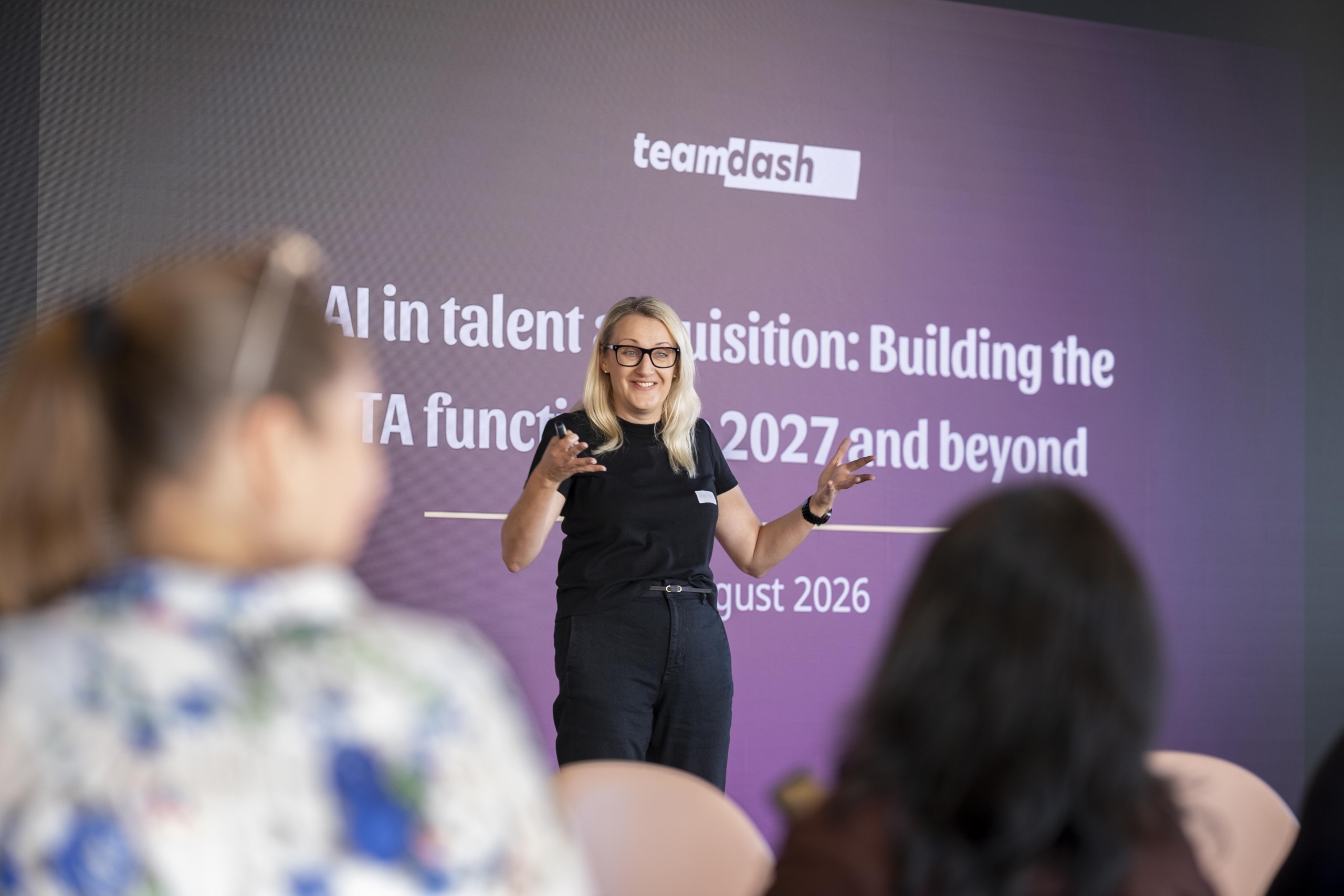
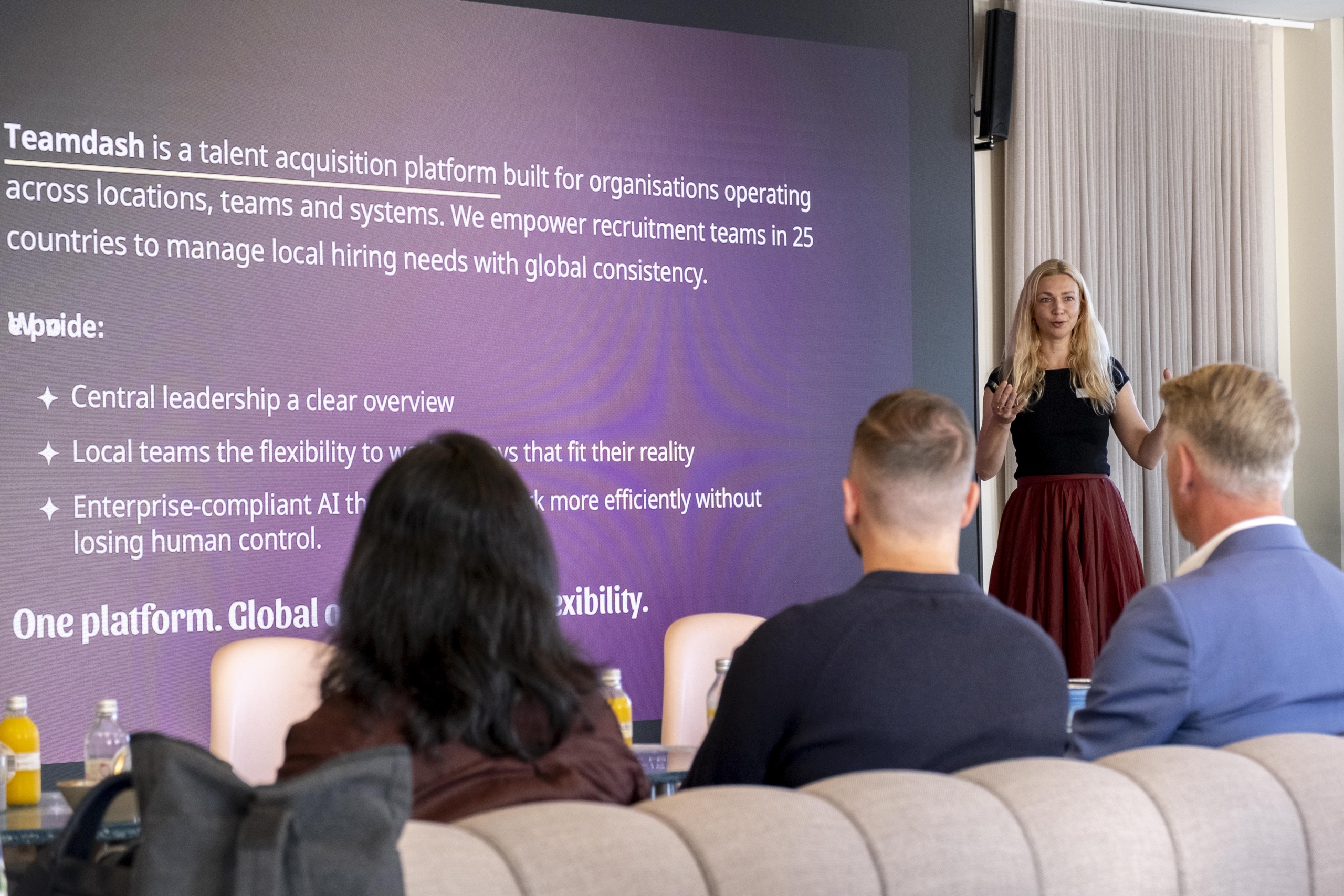
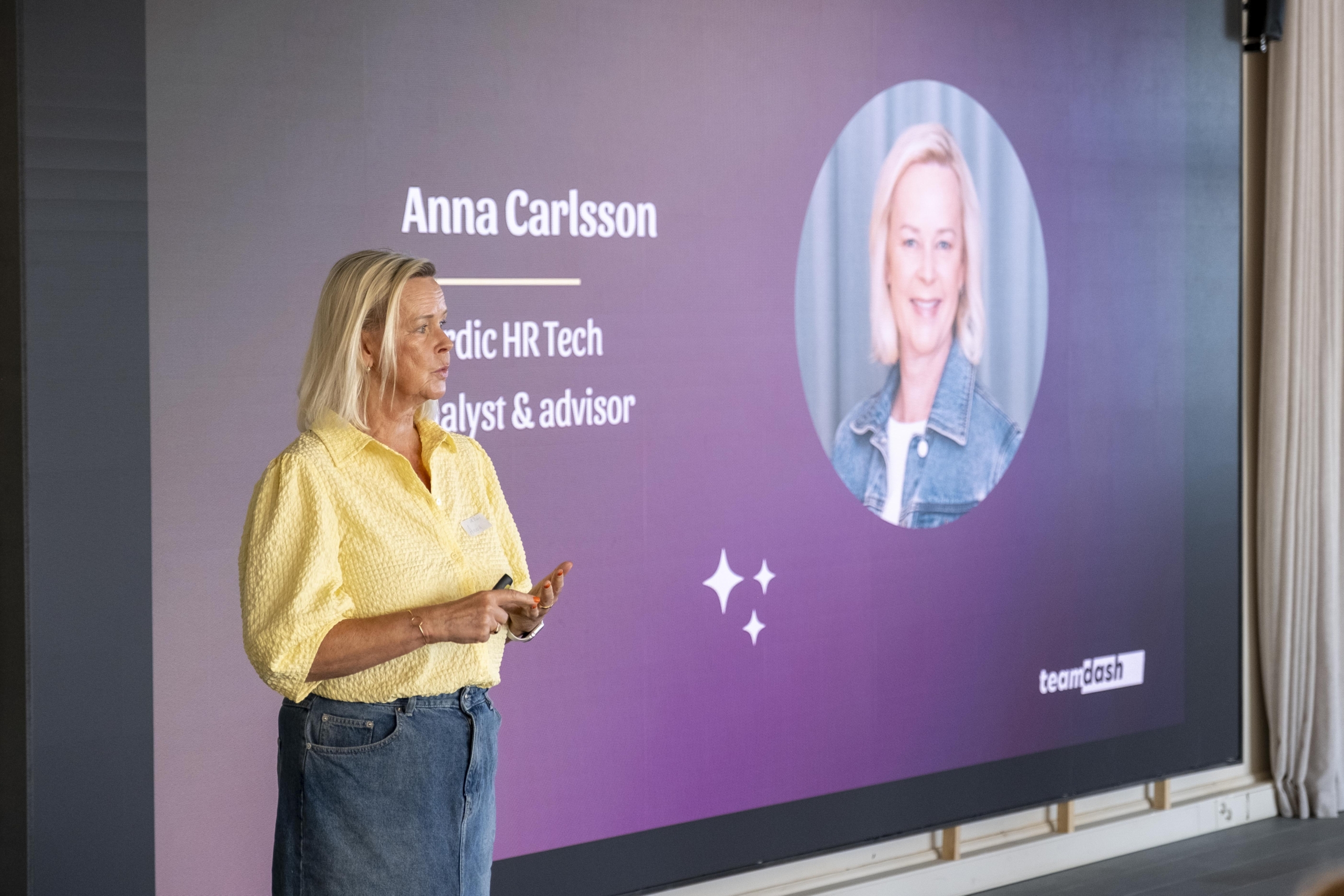
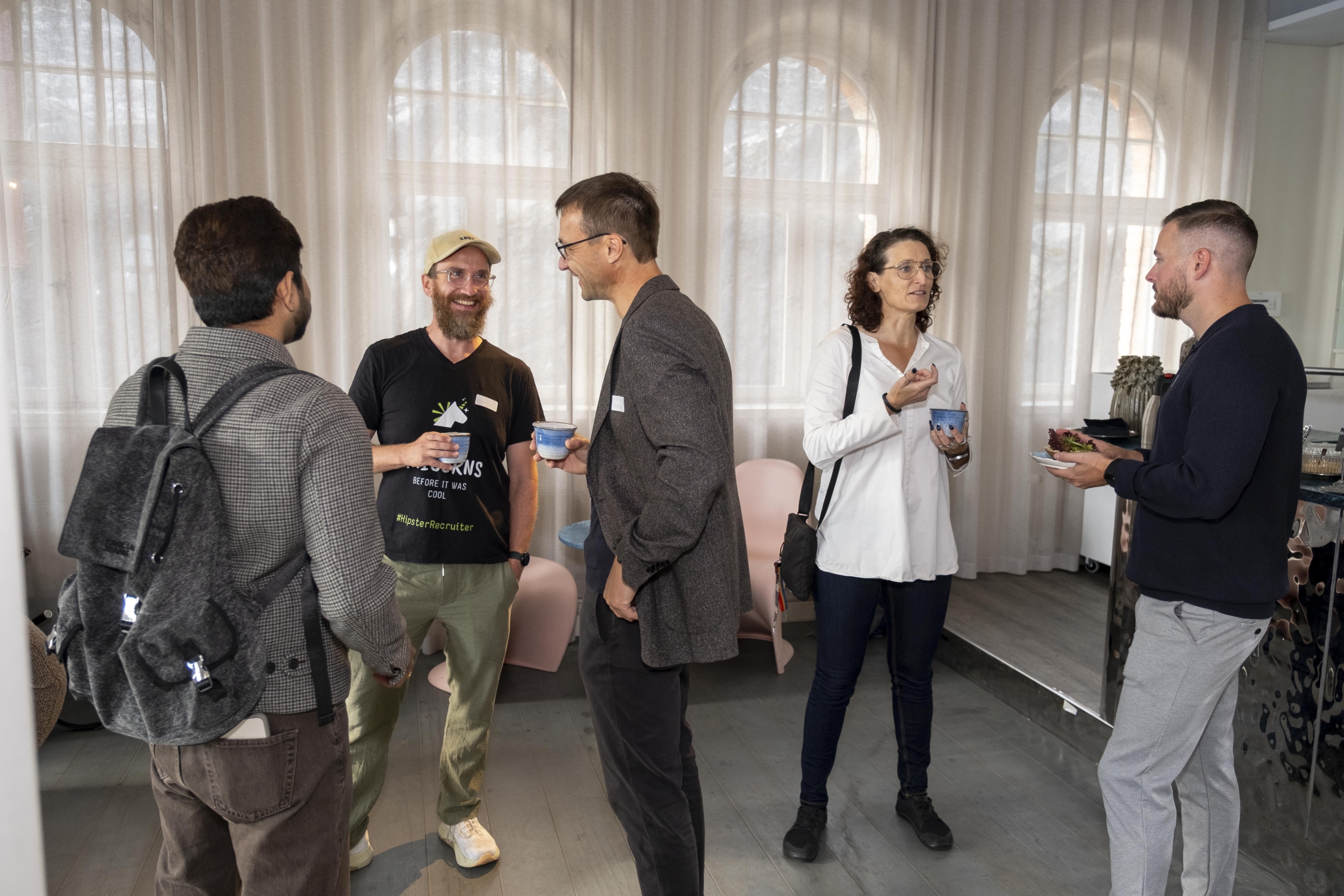
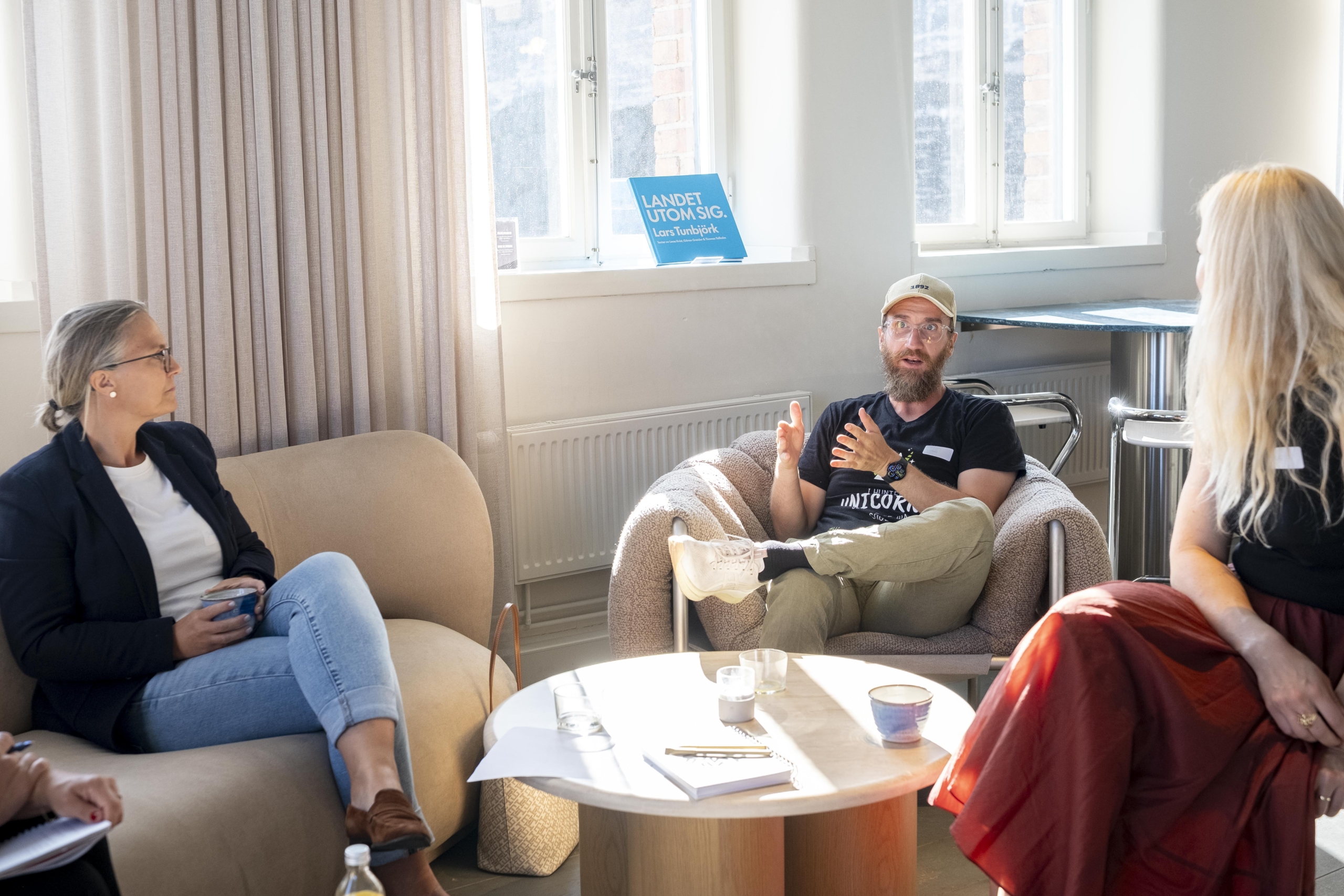
That was one of the smaller stories that came up at a recent Teamdash roundtable in Stockholm, “AI in Talent Acquisition: Beyond the Hype: Building the TA Function of 2027,” where a group of senior HR and TA leaders spent a morning at Fotografiska working through what AI is actually doing to hiring right now. Not the theory, but what’s happening in their own recruitments today.
What needs to be in place before introducing AI
The room agreed on one thing first. AI doesn’t fix a broken process, it amplifies whatever is already there.
If a hiring process has unclear steps, no shared definition of what “good” looks like, or nobody actually following the process that’s supposedly in place, adding AI on top doesn’t solve that. It just moves the same problem faster.
“If you have a mess in hiring today, and you put AI on top of that mess, you don’t get less mess. You get ten times more of it.”
The glass mask story is one version of that same amplification. Candidate dishonesty isn’t new, people have always stretched the truth on a CV, but AI makes it far easier to do at scale and far harder to catch. Several people in the room had already run into some version of it: CVs that all read suspiciously similar because they’d been run through the same prompt, candidates pausing mid-interview while an AI tool fed them an answer, technical solutions nobody could explain the thinking behind.
Some of the candidate stories stood out more, but most of the morning was spent on what TA teams need to get right first.
Interview panels need to be aligned before rolling AI out too, a point that came up more than once. If one interviewer leans fully into AI-assisted tools and the colleague next to them doesn’t, the assessment stops being consistent, and candidates notice the difference between interviewers even when they can’t quite name what’s off.
The numbers back this up: one Gartner survey found 6% of candidates admit to some form of interview fraud, and separate research puts the share of workers who’ve used AI to polish their professional profile at around a third.

Where should AI actually sit in the hiring process
There was little debate that AI should not be the decision-maker. Its place is in the admin layer: job ads, screening, scheduling, the kind of recruitment process automation that frees people up to make judgement calls further down the line.
Trust was the bigger theme underneath it. Candidates increasingly worry they’re being screened by a bot with no human looking at their application at all, and that fear shapes how they experience a company before they’ve even had a real conversation with anyone there. Several people felt AI could actually help build trust, not erode it, if organisations were clear and specific about where it’s used and where it isn’t. That worry isn’t unfounded. By one measure, only around three in ten candidates were told in advance that AI would take part in their interview, while nearly eight in ten say they want to know exactly how it’s being used. Vague reassurance doesn’t land. Specifics do.
There was also a sharper point about fairness. Close to half of Swedish candidates already use AI somewhere in their job search, and recruiter-side use is higher still, by some estimates approaching six in ten. Recruiting teams already lean on AI heavily, for screening, scheduling, first-round assessment. But candidates are often expected to do everything from scratch, no tools, no shortcuts.
“We let AI do everything on our side and expect candidates to write everything from scratch on theirs. That’s not really fair, and it’s not really honest either.”
If AI is genuinely part of how work gets done on both sides of the table, then treating it as though only recruiters use it doesn’t really make sense.
What will still make a recruiter valuable
Ask a room of recruiters what AI will take off their plate, and the answer comes quickly: the transactional stuff. Scheduling interviews, writing first drafts of job ads, chasing status updates. Nobody in the room seemed sentimental about losing that part of the job.
That instinct matches the data: McKinsey’s analysis puts automation potential for screening, assessment and interviewing at 60 percent or more, and recruitment is the function surveyed HR leaders rate as having the most automation potential overall.
What’s left, and what the group felt would matter more, not less, was judgement. Understanding why a role actually needs to be filled and what’s really driving the request behind it. Reading the dynamics of a team before placing someone into it. Telling the difference between a candidate who’s a good fit on paper and one who genuinely wants the role, something AI still isn’t particularly good at working out.
A few people also pointed to a skill that doesn’t get talked about enough: being tech and compliance literate enough to push back. Not just knowing how to use the tools, but knowing when a hiring manager’s request to “just run it all through AI” carries a legal or reputational risk worth flagging before it becomes a problem.

Looking towards 2027
By the end of the morning, the conversation had shifted from what AI does to what it makes room for.
The hope, expressed carefully rather than confidently, was that talent acquisition spends meaningfully less time on admin and more time on the qualitative work. This means
- understanding the real business need behind a hiring request,
- collecting the kind of data that lets TA make a case for itself,
- and moving from reactive order-taking to being invited into decisions earlier.
A few saw this stretching beyond recruiting itself. As internal mobility and upskilling grow, TA could take on workforce planning and talent development too, understanding what skills already exist in the organisation before defaulting to an external hire.
Underneath most of this sat a theme that’s been simmering in TA for years, long before AI entered the conversation. The seat at the table.
“Management usually thinks in three categories: finance, people, and goals. So why does the people topic so rarely get the same strategic weight as the other two?”
Nobody in the room thought AI would automatically fix that. But a few felt it might finally give TA the data and the freed-up time to make the case for itself in a way that’s harder to argue with.
Where this leaves TA
If there was one thing the whole room seemed to agree on, it’s that AI recruiting tools matter less for what they automate and more for what they free people up to do instead. Judgement, trust-building, the qualitative work that still needs a human in the room. It’s a real difference, and it’s the one that shaped nearly every conversation that morning.

